
Much of what the modern world does is akin to sawing the branch upon which it is seated. The story of the bees and a toxic class of pesticides called neonicotinoids is a case in point.
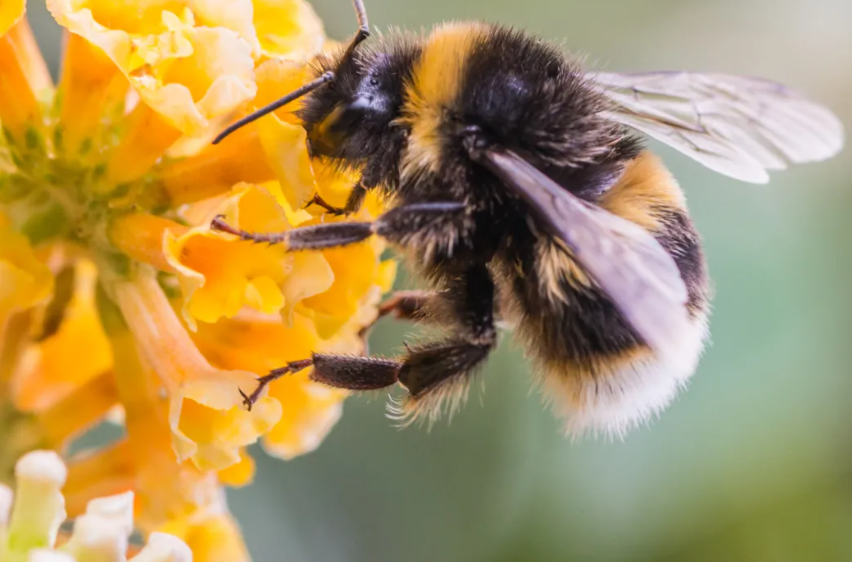
Bees pollinate things. This is good for plants. What’s good for plants is good for farmers.
But Big Ag has not returned the favor. Neonicotinoid usage has skyrocketed to the most common class of pesticides used in the United States since their introduction in the 1990s. According to Goulson (2014), “since neonics were first introduced, U.S. agriculture has become 48 times more harmful to bees and other insects.”
Credit: Shutterstock
That’s “U.S. agriculture” as in plants. The very things that rely on bees in one of the most famous symbiotic relations in the natural world. A relationship by which farmers benefit, and in many cases, depend on.
Neonicotinoids are the fentanyl of the insect kingdom. They affect the nervous system of insects, are addictive, and are extremely toxic to them in very low doses. The EPA has suggested that neonics are likely driving over 200 species toward extinction, and there is good evidence the pesticides are partially responsible for recent bird and aquatic species declines.
Neonicotinoids are commonly applied as a treatment on corn and soybean seeds to provide a supposed protective boost against pests that may harm them during their most vulnerable phase. But unlike other pesticides that can be washed off, neonics are absorbed by plants–causing their nectar, pollen, and even fruit to become toxic. What’s worse, typically only 2-5% of the chemical actually enters the plant as intended, leaving the other 95-98% to “accumulate, persist, and migrate in soil and water or be released as airborne seed dust” (Krupke 2017). A 2015 USGS study found neonic contamination in half of streams sampled, and usage of the pesticide has only increased since then.
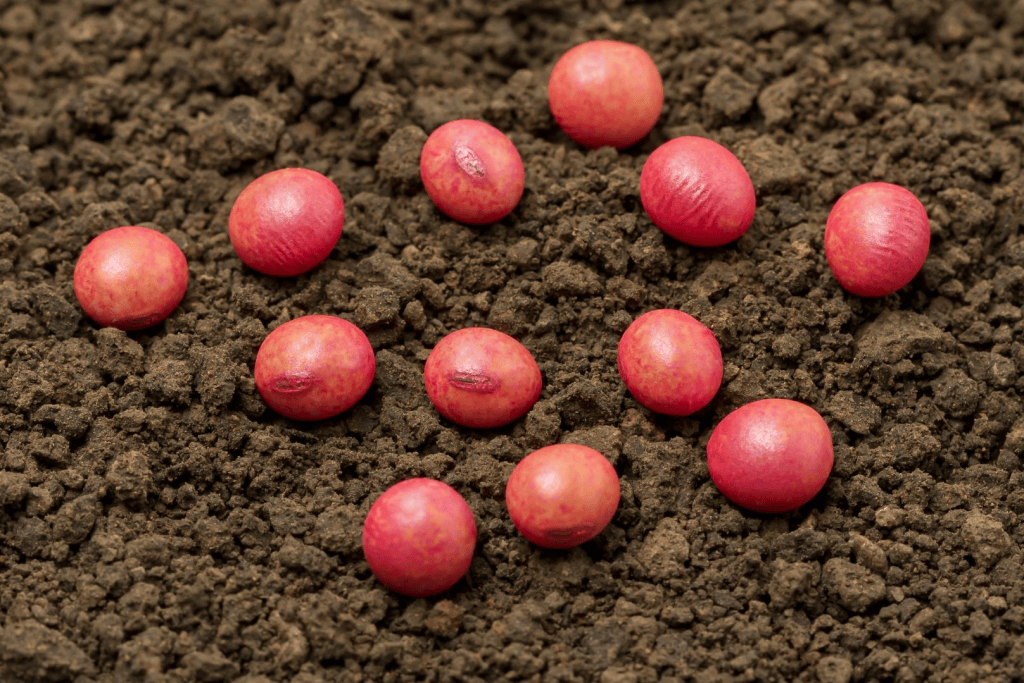
Treated soybean seeds.
Let’s play devil’s advocate. Perhaps this dire threat to insects is a worthy tradeoff. Perhaps our harvests would be so devastated without them that there is no cost too steep. Think again.
First, the fact that neonicotinoids first hit the market in the 1990s invalidates this critique (we had plenty of food then). Second, the data does not support it.
Most studies have found marginal or even negligible yield increases from neonicotinoid usage. One of the most comprehensive studies to date, published by Cornell’s Scott McArt in 2020, found that 94% of the time, the use of the treated corn seeds produced no economic benefit for farmers. For soybeans, the number was 93%.
Seeing the writing on the wall, and playing off their characteristically better ability to keep poisons out of the lives of their citizens, the European Union banned neonicotinoid pesticides in 2018. Ontario, Canada banned seed coatings in 2015. Since that time, corn and soybean yields have not changed in the EU, and Ontario’s yields actually increased. Rapeseed yields in the EU dropped by 4%.
Further, studies have examined how boosted pollinator levels affect yields. A 2021 study at Iowa State University found that pollinators can improve crop yields by 20%. The authors strongly emphasized placing prairie strips–pollinator habitat–along the margins of fields to attract these pollinators. LaCanne and Lundgren (2018) also write that fields with limited pesticide use can have lower pest pressures, as they possess more “good bugs” that keep pest populations in check.
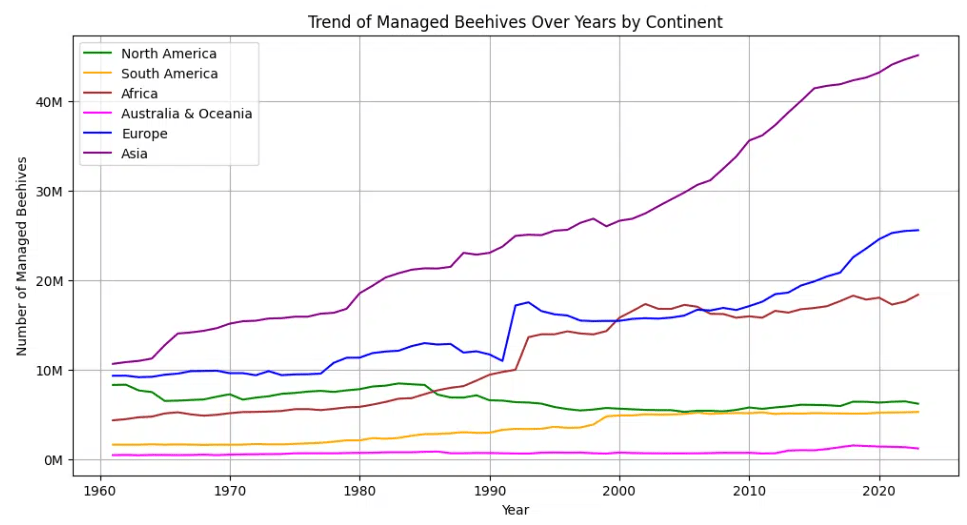
Graph of farmed bee populations with time, showing North America’s decline and Europe’s increase (with a notable jump following the 2018 ban). Data: FAOstat. Graph: Madina Tussupova.
A technology that grows yields by only a handful of percentage points at best but drives an entire kingdom of animals to extinction is not progress. It is vainglorious, dogged foolishness. It is the perfect symbol of mankind’s current broken relation with the world and is emblematic of our collective short-term, profit-driven thinking that refuses to accept limits or slow down in the face of obvious and increasing instabilities.
This is not to belittle the difficult economic realities of farming in our corrupt modern era, where marginal yields really do matter. Rather, this is to put the situation into a holistic perspective. And to raise the point that there are alternative choices beyond ever more intensive use of the most toxic chemical in our arsenal.
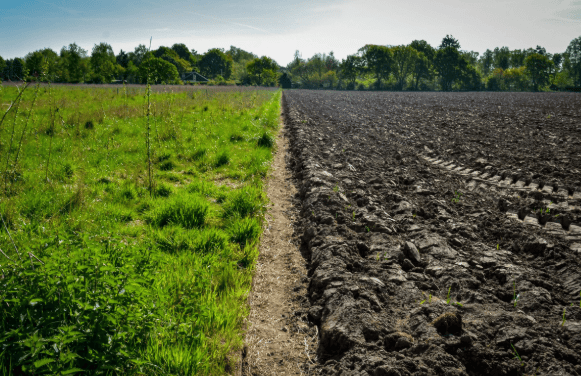
Regenerative agriculture practices can limit pests. Credit: Regenerative Farmers of America
I once questioned a woman working as a scientist for the pesticide industry on if the use of neonicotinoids was “worth it.” She proceeded to explain how it was worth it, because without them there would be, quote, “no food.” And so she repeated what is always the trope from the scientists, the universities, and the corporations. The choice is their chemicals or starvation, full stop. Big industry is doing you a favor pal, so you’d better back off.
I have noted elsewhere that techniques like this are no different from email phishers, internet scammers, and politicians who engineer panic into their audience and force them to make a quick, poor decision. Whoever uses this technique, 100% of the time, is lying to you.
The Western world seems to have the fallacious idea that a technology can only be trusted to “work well” when it is derived from some sort of advanced science. The agrochemical corporations with their billions, we tell ourselves, must have a better idea of what’s up compared to what was tried and true for millennia!
Our collective society is acting exactly like an addict. We wait, in full awareness of our blatant ecological harms, for some particular moment when we all will together agree that things are “so bad” that we must change our actions and reverse course. But what both addict and society discover, after decades of habituation, is they either can’t change course or the damage is already too far gone.
Let’s not have bees be our next ecological tragedy.
By Evan Patrohay

 Thoughts of an Environmental Conservative
Leave a comment